Invited Talks
Meet the distinguished invited speakers of WAMS 2026 bringing deep expertise from academia, defense research, and industry across RF, microwave, and antenna engineering.


Abstract
Modern RF techniques have potential to provide several engineering solutions for sustainable development and growth. The RF harvesting technique appears to provide a promising solution to energize low power electronic circuits including the IoT devices and sensor nodes using the EM signals available in ambient. The use of metasurface structures in this kind of scenario can quite effectively be utilized to substantially improve the RF to DC efficiency, thereby making the whole system to be more energy efficient.
Similarly, the modern RF technology may be employed to develop next generation low power imaging and sensing systems for biomedical and industrial applications. The RF technology may also be utilized along with the advanced nanomaterials to provide a viable energy efficient solution for the aerospace and composite industry as well as for the EMI/EMC applications. In this talk, a brief overview of various RF techniques having potential for sustainable development with a focus on energy efficient electronic systems would be discussed.
Biography
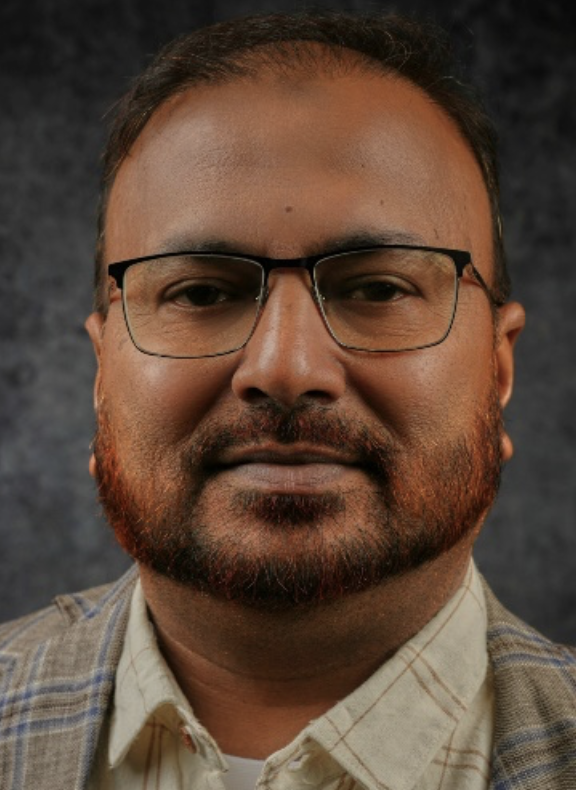
M. Jaleel Akhtar received the Ph.D. degree in Electrical Engineering from the Otto-von-Guericke University of Magdeburg, Magdeburg, Germany, in 2003. He was a Scientist with the Central Electronics Engineering Research Institute, Pilani, India, from 1994 to 1997, where he was involved in the design and development of high-power microwave devices. From 2003 to 2009, he was a Post-Doctoral Research Scientist and a Project Leader with the Karlsruhe Institute of Technology (KIT-FZK), Karlsruhe, Germany, where he primarily worked in the areas of industrial microwave technology. In 2009, he joined the Department of Electrical Engineering, IIT Kanpur, where he is currently a Senior Professor.
He has supervised more than 30 Ph.D. candidates and over 90 masters’ students for their theses. He has been the lead investigator of more than 15 projects in various domains of RF and microwave technology, and is presently leading a major project involving the establishment of a world-class fully accredited EMI/EMC Test Facility at IIT Kanpur. Dr. Akhtar has authored two books, four book chapters, over 190 papers in various peer-reviewed international journals, and over 250 papers in international conference proceedings. He holds three patents on planar RF sensors for various applications. His current research interests include metamaterial inspired RF sensors, microwave, mm-wave and THz imaging, metasurface based RF systems, RF energy harvesting, wireless power transfer, and functional materials-based wideband microwave absorbers for stealth technology and EMI/EMC applications.
Dr. Akhtar is a Fellow of IEEE, Fellow of the Indian National Academy of Engineering, and a Fellow of IETE. He is a recipient of the Excellence-in-Teaching Award (ETA) 2021 from IIT Kanpur, and the CST University Publication Award in 2009. He has been the 2025 IEEE MTT-S Education Committee Chair, and an elected AdCom member of the IEEE Microwave Theory and Technology Society (2023–25). He was the General Co-Chair of IEEE MAPCON-2023 and IMaRC 2021, and is currently serving as an Associate Editor of IEEE Transactions on Microwave Theory and Techniques.
Abstract
Intelligent Reflecting Surfaces (IRS) — also known as Reconfigurable Intelligent Surfaces (RIS) — have emerged as a transformative meta surface technology capable of dynamically manipulating electromagnetic waves through programmable phase, amplitude, and polarization control. While originally developed to address signal propagation challenges in 5G and next-generation 6G wireless networks, IRS technology has rapidly evolved into a versatile platform for biomedical sensing, diagnostics, and non-invasive health monitoring.
This technical presentation provides a comprehensive overview of two or three distinct IRS modalities for biomedical applications. First, Interferometric Reflectance Spectroscopy (IRS) enables label-free molecular biosensing by measuring interference patterns from layered substrates. Second, Communication-class IRS, operating at 3.5 GHz to mmWave frequencies, enables non-line-of-sight (NLOS) vital sign monitoring through beam steering and synthetic aperture imaging. Third, Hybrid Intelligent Reflector-Viral Detector (IR-VD) systems integrate pathogen-sensitive receptors between IRS tiles, enabling real-time airborne virus surveillance within building infrastructure.
The presentation concludes with a comparative analysis of these IRS technologies, identification of current challenges — including biocompatibility, electromagnetic interference, and signal-to-noise limitations — and a research roadmap toward implantable IRS devices, AI-driven adaptive beamforming, and full-body continuous health assessment systems. As a dual-use infrastructure technology, IRS represents a cornerstone for the convergence of wireless communications, precision medicine, and public health surveillance.
Biography
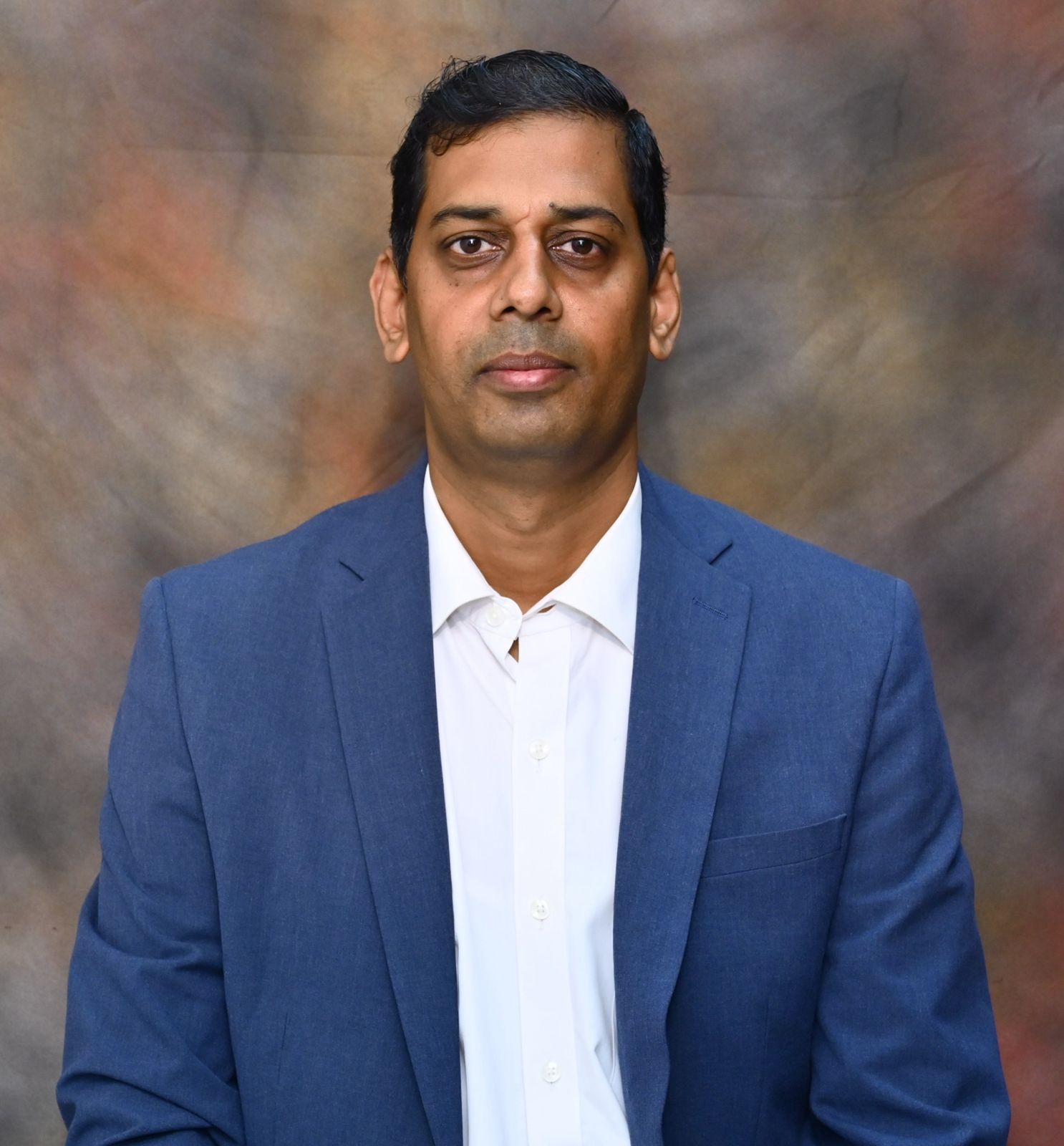
Dr. Tapan Kumar Jain is working as a faculty member in the Department of Electronics and Communication Engineering at the Indian Institute of Information Technology (IIIT), Nagpur. He has approximately 21 years of industrial as well as academic experience and is a Senior Member of IEEE. He has close to 50 publications in international conferences and journals. His research areas comprise Wireless Communication, Image Processing, IoT, and AI/ML/Data Science.
Two scholars have completed their PhDs under his guidance, and he is currently guiding six research scholars in the domain of wireless communication and signal processing. He has also successfully completed one funded project from DRDO as Principal Investigator, and currently has one ongoing funded project from the Ministry of Home Affairs.
Abstract
The successful in-orbit demonstration of reflectarray antennas by NASA/JPL about 10 years ago has created a positive momentum around the technology for CubeSat missions. With the support of CNES, the French Space Agency, Anywaves has also advanced its own reflectarray concept, and deployed it in orbit a couple of years ago, becoming the first commercial company to successfully do so.
The NewSpace sector is evolving fast, and while CubeSats were originally well suited for in-orbit demonstration, it appears that larger platforms are generally required to deploy operating services. The reflectarray antenna concept is versatile and may be tuned to cover a range of specifications, making it a good technological candidate for directive links from low Earth orbit and beyond. This talk will address recent developments at Anywaves, considering both smaller and larger apertures to address future needs on SmallSat platforms.
Biography
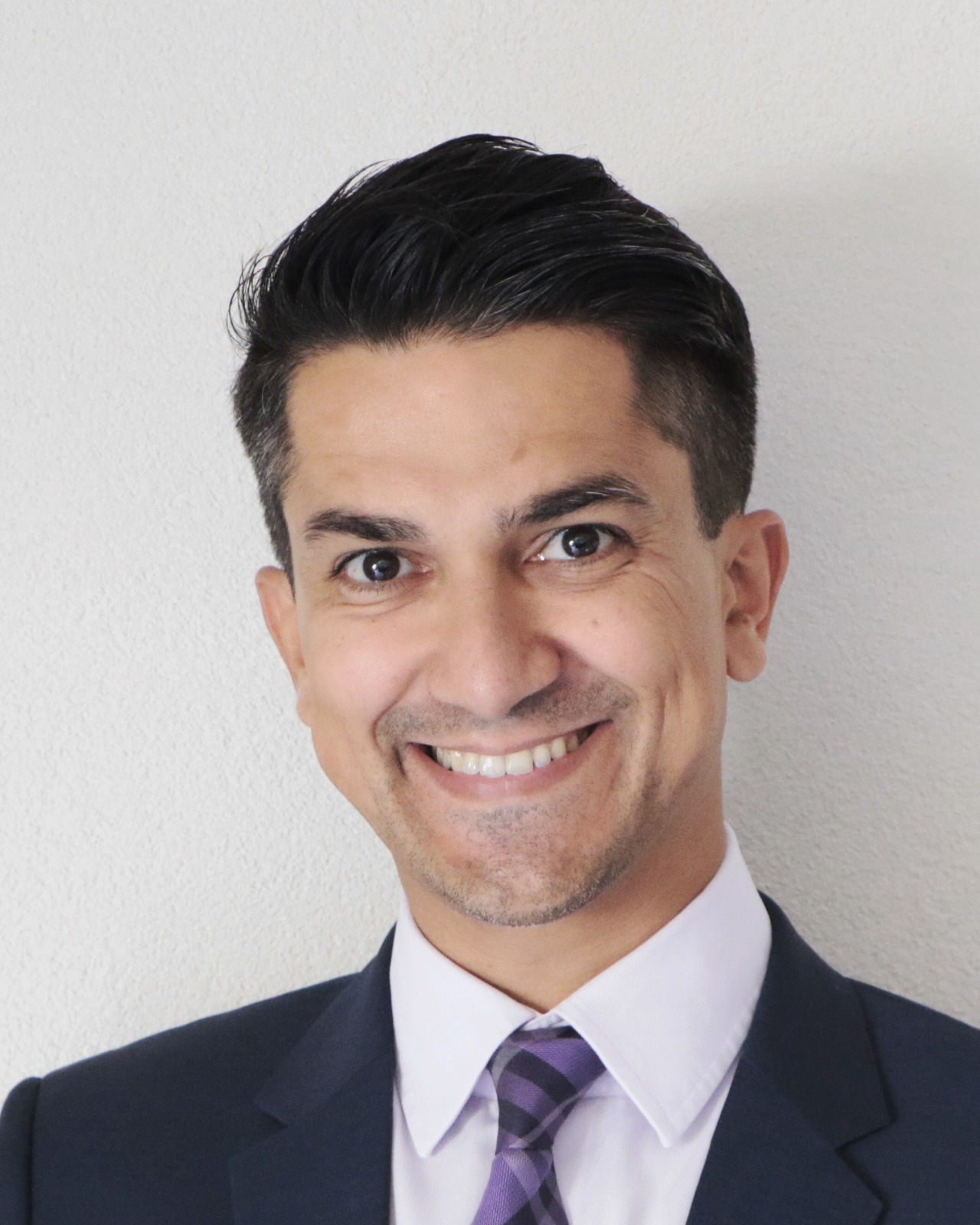
Nelson J. G. Fonseca (Fellow, IEEE) received the M.Eng. degree from ENSEEIHT, Toulouse, France, in 2003, the M.Sc. degree from the Ecole Polytechnique de Montreal, Quebec, Canada, also in 2003, and the PhD degree from Institut National Polytechnique de Toulouse – Université de Toulouse, France, in 2010, all in electrical engineering. He currently works as Chief Innovation Officer with Anywaves, Toulouse, France, contributing to the development of their custom space-segment antennas portfolio. He is also the founding Director of 3SPACE Innovation, Paris, France, a startup developing novel ground-segment and terrestrial wireless communication antenna systems.
He has authored or coauthored more than 350 papers in peer-reviewed journals and conferences, and has more than 50 patents issued or pending. His research interests include multiple beam antennas for space missions, beamformer theory and design, ground terminal antennas and novel manufacturing techniques. Dr. Fonseca is an Associate Editor for IEEE Transactions on Antennas and Propagation, and a Topic Editor of IEEE Journal of Microwaves. He is the Vice-Chair of the IEEE AP-S Technical Committee on Antenna Modeling, Design and Fabrication (TC-1) and the Chair of the EurAAP Working Group on Software, Modeling and AI-related Tools (WG SMArT). He was the Vice-Chair (2020–2021) and Chair (2022–2023) of the IEEE MTT-S Technical Committee on Microwave Aerospace Systems (TC-29), and a Vice-Chair of EuCAP2025. He is a member of the IEEE Fellow Committee and recipient of the Best Applied Technology Antenna Paper Award at EuCAP 2022 and the 2024 IEEE Journal of Microwaves Best Paper Award.
Abstract
In modern spacecraft engineering, the electromagnetic environment is a congested and highly constrained design space. This keynote addresses the “Invisible Architecture” — the intricate system-level integration of RF front-ends, electromagnetic compatibility (EMC), and DC magnetic cleanliness. As missions demand higher data rates via complex antenna arrays while simultaneously carrying ultra-sensitive magnetometers and cryogenic payloads, the risk of intra-system interference reaches a critical threshold.
This session dives into the technical trade-offs required to maintain high-fidelity RF performance without violating stringent radiated emission limits or degrading the spacecraft’s magnetic signature. We will analyze the physics of coupling between high-power transmitters and sensitive instrument sensors, the challenges of characterising large-scale antennas in constrained test environments, and the methodologies for achieving “magnetic hygiene” in the presence of high-current power subsystems. By examining advanced modelling techniques and state-of-the-art verification campaigns, this talk provides a deep technical roadmap for harmonizing conflicting EM requirements in complex space missions.
Biography
Puneet Kumar Mishra is an expert in spacecraft electromagnetics, currently serving as the Head of Electrical Integration at ISRO’s U R Rao Satellite Centre (URSC). With a career spanning over two decades, he has overseen the RF characterization of 52 satellites and more than 350 antennas, ranging from C-band to high-frequency Q/V-band systems.
A visionary in electromagnetic infrastructure, Puneet conceptualized and commissioned the world’s first compact range with a 10-metre quiet zone (2025) and played a pivotal role in establishing Asia’s largest Magnetic Field Measurement Facility. His technical leadership extends to deep-space exploration, where he serves as the Deputy Project Director for the upcoming Venus Orbiter Mission and the ResourceSat-3S/3SA programs. Beyond infrastructure, his innovations include the indigenous development of high-power busbars and the Langmuir Probe Payload for studying RF blackout during atmospheric re-entry.
His contributions have been recognized with the ASI-ISRO Space Gold Medal, the IEEE Bangalore Section Medal of Honor (2024), and the IEEE Asia Pacific Region Outstanding Volunteer Award (2025). An influential global voice in the aerospace community, he serves as the Global Vice President (Education) for the IEEE Aerospace and Electronic Systems Society. He is a Fellow of IETE and IE(I), and a Senior Member of IEEE.
Abstract
Knots are an integral part of most of us. Mathematicians systematically visualized, labelled, and classified them. Researchers were inspired by knots and thought these structures could be used to explain our world. Some researchers adapted them to construct radiating elements. Being complex 3-dimensional objects, they offer unique opportunities to create antennas that have interesting characteristics. Analyzing and understanding the radiating behaviour of the knots is critical to realizing efficient radiating structures with desired performance.
The talk on “The Knot” is an attempt to explore the above points.
Biography
A.R. Harish is a professor in the Department of Electrical Engineering, Indian Institute of Technology Kanpur, Kanpur. He is part of a team that works on antennas, electromagnetics, meta surfaces, RFID systems, EMI/EMC, etc. He enjoys teaching electromagnetics, antennas, and their applications.
Abstract
The horn antennas are widely used as a primary source of illumination for reflector antennas, used in satellite communications, radio astronomy, radar, etc. Thus, the choice of horn configuration and its design decides the performance of a reflector. Some of the desired attributes of a horn antenna include a symmetric pattern in all planes, suppressed side-lobes, reasonably high gain and high efficiency over a wide frequency band. The conventional pyramidal and conical horns that contain a single fundamental mode, traditionally known as pure mode horns, have several limitations in the form of non-symmetrical beamwidths, undesired sidelobes and low aperture efficiency. Some of these deficiencies of the pyramidal and conical horns can be overcome by multi-mode and hybrid-mode horns.
In multi-mode horns, the higher-order mode(s) are added with appropriate amplitude and phase with the fundamental mode to improve the performance of the horn. On the other hand, the hybrid-mode horns are supported by the HE1n or EH1n, satisfying the balanced hybrid condition and help in improving the RF performance of the overall system.
This talk provides an overview of the multi-mode and hybrid-mode horns. It starts with the brief history and theory of both multi-mode and hybrid-mode horns. The challenging issue of generating and adding the desired higher-order modes with the fundamental mode is also addressed. A few examples of classic Potter horn, tri-mode matched feed horn, etc., are discussed with their potential applications. The second phase of the presentation covers the soft and hard horn antennas, which belong to a category of hybrid-mode horn antennas. The classification and comparison of such horns are covered. Some innovative designs of hybrid-mode horns are also explained.
Biography
Professor Dhaval Pujara is an accomplished academic leader, passionate teacher, and active researcher with nearly three decades of multifaceted experience in premier educational and research institutions of India. He currently serves as the Pro-Vost (Vice Chancellor) of Adani University, Ahmedabad.
Prof. Pujara earned his B.E. in Electronics Engineering from S P University and M.Tech. in Microwaves & Radar Engineering from the Indian Institute of Technology (IIT), Roorkee, and completed his doctoral research at the Space Applications Centre (SAC), Indian Space Research Organisation (ISRO), Ahmedabad.
His professional journey spans both academia and industry. After an early stint in industry and government service, he joined Nirma University, Ahmedabad, where he served for nearly 25 years in key academic and administrative roles including Founder Director (Research and Innovation), Dean (Faculty of Doctoral Studies and Research), and Head (Department of Electronics & Communication Engineering). He subsequently served as Director of the School of Technology at Pandit Deendayal Energy University (PDEU), Gandhinagar, where he led the University’s largest school with over 5,000 students, enabling the Faculty of Engineering and Technology to achieve a place among the Top 100 in the NIRF Engineering Rankings (2025).
Prof. Pujara has authored over 100 research papers, supervised seven Ph.D. scholars and more than 25 Master’s dissertations, and successfully executed several funded projects and consultancy assignments. His outstanding contributions have been recognized through numerous awards including the Best Engineering College Teacher Award (ISTE, 2004), Young Scientist Award (URSI, 2011), IETE – Smt. Ranjana Pal Memorial Award (2015), US Fulbright Fellowship (2016), Recognition Award (WAMS, 2022), and the Dr. Sudhakar Rao National Award (IETE, 2024) for contributions in RF & Antenna Engineering.
He is the National President of WAMS, Vice-Chair of the IEEE AP/MTT-S Joint Chapter (Gujarat Section), Senior Member of IEEE, and Life Member of ISTE, IETE, and IEI.
Abstract
Frequency selective surface is a two dimensional passive array which shows filter characteristics for electromagnetic waves impinging on its surface. Due to its spatial filter characteristics, FSS is widely used for aerospace applications such as antennas, radomes, and RAS. FSS is basically used in the design of antenna and radome to enhance their EM performance within the specified band and out-of-band RCS reduction. It is also used to design thin and broadband radar absorbing structures (RAS).
In order to design FSS-based antennas, radomes, and RAS, it is essential to understand the fundamentals of FSS structure and its EM design methodologies for a particular application. In view of this, the present talk includes the fundamentals of FSS structures followed by its detailed applications to radomes, antenna, and RAS.
Biography
Dr. Shiv Narayan obtained the Ph.D. degree in Electronics Engineering from the Indian Institute of Technology (IIT-BHU), Banaras Hindu University, Varanasi, India in August 2006. He has been associated with the Centre for Electromagnetics (CEM) of CSIR-National Aerospace Laboratories (CSIR-NAL), Bangalore, India since May 2008, where he currently holds the position of Senior Principal Scientist. Earlier, he held the position of Scientist-B at SAMEER (Society for Applied Microwave Electronics Engineering and Research), Kolkata, during March 2007–May 2008, where he was actively involved in the pattern synthesis of planar phased array antennas.
His research interests are broadly in the field of electromagnetic applications, including frequency selective surfaces (FSS), RAS, radome, metamaterials, numerical methods in electromagnetics, antennas, pattern synthesis of antenna arrays, and EM material characterizations. He has been working on the design and analysis of FSS structures based on advanced numerical techniques (MM-GSM, TLTMM, and FDTD method) for aerospace applications for over eight years. Dr. Shiv Narayan is the author/co-author of over 125 technical documents including peer-reviewed journal and conference papers. He has published Technical Briefs (Books) with Springer on topics such as ‘FSS Technology for the Design of High Performance Antennas’ and FDTD Modeling inside Microwave Cavities, and recently edited a handbook entitled “Handbook of Metamaterial–Derived Frequency Selective Surfaces” published by Springer Singapore (ISBN: 978-981-16-6440-3).
Dr. Narayan was awarded the “Excellence Award in Research” for 2018–19 from CSIR-NAL for his significant contributions to the electromagnetic design and development of FSS structures for airborne applications. He was awarded the prestigious CSIR-Raman Research Fellowship for 2019–20 and visited the College of Engineering, San Diego State University, San Diego, CA, USA. He was also awarded the IETE Dr. Sudhakar Rao Award for 2022 for significant contributions in FSS technology for aerospace applications. He serves as a reviewer for several prestigious international journals including IEEE Transactions on AP, IEEE AWPL, IEEE MTT, IEEE Sensors, Elsevier, Cambridge University Press, Springer Nature, and Tech Science Press.
He is a Fellow Member of IETE, Life Senior Member of WAMS Society, and Life Member of ISAMPE, India.
Abstract
The talk covers the fundamentals of microstrip reflectarray antenna, its advantages and limitations. Microstrip reflectarray developments at SAC/ISRO for various configurations like Prime Focal, Offset, and Dual Reflector configurations will be discussed. The current state of the art in microstrip reflectarray developments are briefly introduced.
The talk also introduces Gap Waveguide signal propagation concepts and its advantages and limitations compared to conventional transmission lines. Antenna developments with Gap Waveguide technology for Linear/CP/Dual Linear/Dual CP and Multi-band solutions are briefly covered. Current state of the art Gap Waveguide array developments is also briefly covered.
Biography
Sravan Kumar Sagi has twenty-six years of experience in the field of communication, navigation satellite antennas, ground terminal antennas, and associated passive waveguide components design and realization. He obtained his B.E. in Electronics & Communications Engineering from Andhra University (1993–97) and his M.E. in Electronics from IIT Roorkee (1997–99).
He joined the Space Applications Centre (SAC), Ahmedabad in September 1999 as Scientist/Engineer-SC and is presently working as Scientist/Engineer-G and Group Director of the SatCom & Navigation Antenna Group, Antenna Systems Area, SAC/ISRO. He has also served as Deputy Project Director for Antennas on GSAT-16, IRNSS, and GISAT programs.
His major contributions to ISRO programs include the Shared Aperture Helical Circular Array Antenna at L5 & S-bands for the first generation IRNSS series of satellites; Dual Gridded Shaped Reflector Antenna at C-band for GSAT-16, 18 & 30; Helix Array with Square Coaxial Feed Network for GPS Aided Geo Augmented Navigation systems (GAGAN – GSAT-8, 10, 15); Phased Array Antennas at Ku-band for GISAT-1 & 2; Shared Aperture Triband L1, L5, S-band antenna for IRNSS second generation satellites; Dual polarized multi-layer C-Tx/C-Rx patch array antennas for Antarctica beam (GSAT-17); design of Frequency Selective sub-reflector antenna systems at various bands (S/Ka/Ku); Multiple Beam Antenna Feeds for 6m Unfurlable Antenna (GSAT-6/6A); Dual reflector antennas at Ka-band (HSP); and Cross Polar Isolation Enhancement of Prime Focal Shaped Reflector Antenna. He has several publications in journals, magazines, and international/national conferences, and holds two granted patents.
He is a recipient of the ISRO Team Excellence Award for NAVIC Payload (2015), the ISRO Team Excellence Award for the L1 & L5 Tapered Printed Helical Array Antenna of the GAGAN Payload (2010), and the ISRO Young Scientist Merit Award (2008).